
Adelaide Oval Events & Community Gatherings
Adelaide Oval is one of Australia’s most recognisable multi-purpose venues, located on the northern edge of the CBD along the banks of the River Torrens. Originally established in 1871, it has grown from a traditional cricket ground into a major events precinct that serves hundreds of thousands of Adelaide residents and visitors each year. Understanding the Oval’s event calendar helps locals plan ahead, navigate transport, and engage with the city’s most significant public gatherings.
How Adelaide’s Climate Shapes the Events Calendar
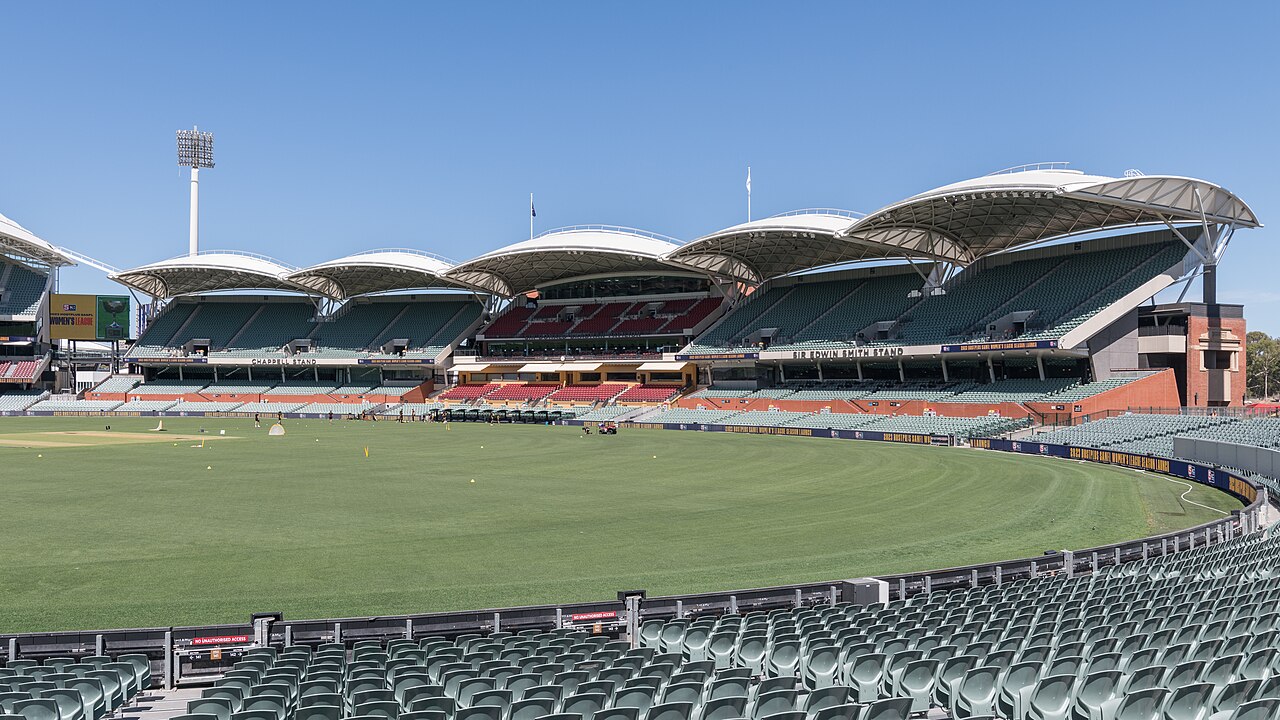
Adelaide’s Mediterranean climate — defined by hot, dry summers and mild, wet winters — directly influences how the Oval schedules its events throughout the year. The venue’s stadium roof, completed during the 2014 redevelopment, covers roughly 85% of seating, allowing events to continue safely during South Australia’s unpredictable spring weather.
Summer fixtures, including Test cricket and Big Bash League games, take advantage of long daylight hours, while evening start times help crowds manage temperatures that regularly exceed 38°C in January and February. Winter and autumn bring AFL football, when cooler conditions make movement across the precinct’s public plazas and the Torrens Linear Park far more comfortable. This two-season rhythm shapes how Adelaide residents plan their attendance across the year.


Sporting Events: Cricket and AFL
Sport forms the foundation of the Oval’s annual program, drawing crowds from across Greater Adelaide and regional South Australia.
Cricket at the Oval
Adelaide Oval is one of five Test cricket venues in Australia and is widely credited as the birthplace of the day-night Test format — a match played partly under floodlights, pioneered here in 2015 when Australia hosted New Zealand. Day-night Tests consistently attract crowds above 50,000 and generate significant activity across surrounding areas, including the North Adelaide dining precinct.
The Adelaide Strikers compete in both the Big Bash League and Women’s Big Bash League each summer, offering more family-accessible cricket experiences through December and January.
AFL: Crows, Power, and the Showdown
Both the Adelaide Crows and Port Adelaide Power use the Oval as their home ground throughout the AFL season, which runs from March to September. According to recent AFL data, Adelaide Oval consistently ranks among Australia’s top five venues for average game-day attendance. The local derby — known as the Showdown — regularly fills all 53,500 seats, making it one of the most anticipated events on Adelaide’s annual calendar.
Concerts, Community Programs, and Civic Events
The Oval’s role extends well beyond sport, reflecting the broader cultural life of Adelaide.
Live Music and Stadium Concerts
The venue’s covered seating and oval geometry make it well-suited for large-scale concerts. International touring acts regularly include Adelaide Oval on their Australian itineraries, and residents near the precinct should monitor road closures and service changes via event travel updates ahead of major shows.
Community and Education Programs
Adelaide Oval runs structured community programs including guided tours, school engagement days, and its popular Roof Climb experience — a guided walk along the stadium’s roof arc offering panoramic views across the CBD and Adelaide Park Lands. These programs align with national active participation data showing consistent growth in community sport engagement among younger Australians.
Civic Gatherings and the Park Lands Context
The Oval occasionally hosts significant civic events, from public commemorations to large community celebrations. Sitting within the Adelaide Park Lands — a 7.6-kilometre green belt protected under the Adelaide Park Lands Act 2005 — the venue operates within a planning framework that carefully balances development with public open space values.

Getting to the Oval: Transport and Access
Adelaide Oval sits directly adjacent to Adelaide Railway Station and is served by multiple tram and bus routes. The free City Connector tram links the Entertainment Centre to the Botanic Gardens, passing close to the venue, and on major event days service frequency increases significantly.
Pedestrian access via the River Torrens footbridge connects the Oval directly to the CBD’s north side, and cycling paths along the linear park offer an active travel route for residents in North Adelaide, Prospect, and Bowden. Parking near the venue is intentionally limited — the surrounding park lands restrict large car parks — reinforcing public transport as the preferred option for event attendance.
Looking Ahead: The Oval and Adelaide’s Growing Population
The Adelaide Oval precinct has expanded considerably since the 2011–2014 redevelopment, adding function spaces, improved public areas, and an on-site hotel. Ongoing planning — guided by state transport planning frameworks — continues to evolve the precinct as the city grows. According to recent census figures, Adelaide’s greater metropolitan population sits at approximately 1.5 million, and demand for accessible large-scale gathering spaces continues to rise alongside it.